- 9,1/104,5 out of 5 stars. See our reviews on Kiyoh (opens in a new window)
- Ordered in no time
- Fast delivery
- Sorted quickly
What types of waste can you dispose of?
There are various types of waste that need to be processed correctly. Depending on your waste type, you can choose a suitable container or wheelie bin. Below you'll find an overview of the most common types of waste and their rates.
Overview of waste types and rates
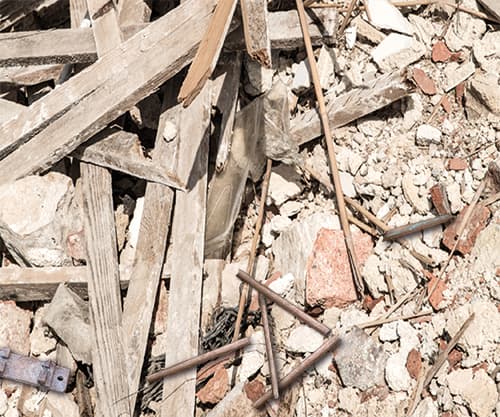
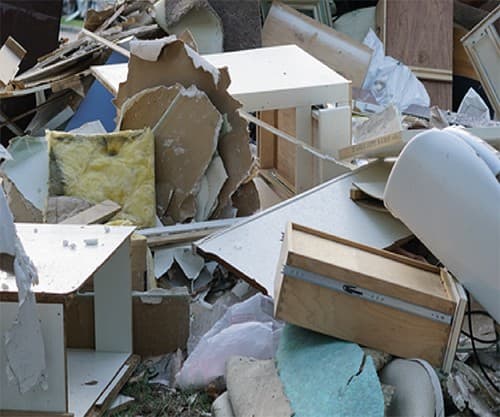
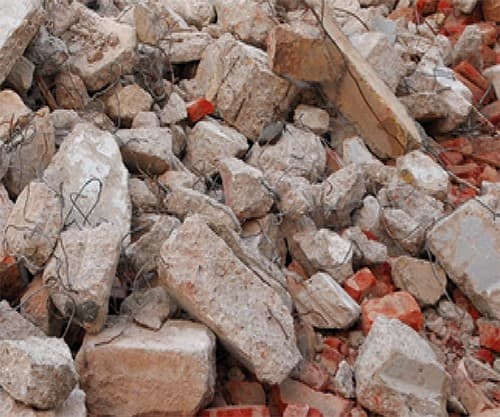

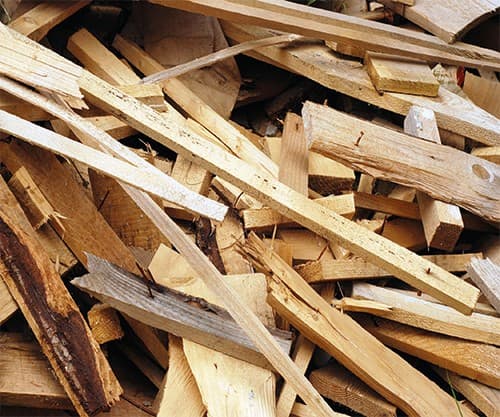
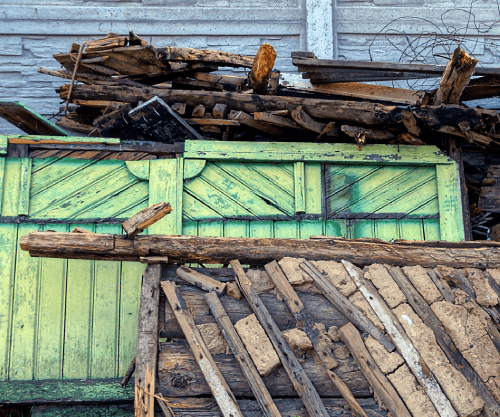
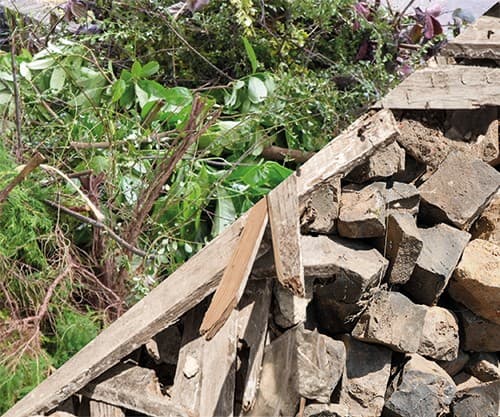
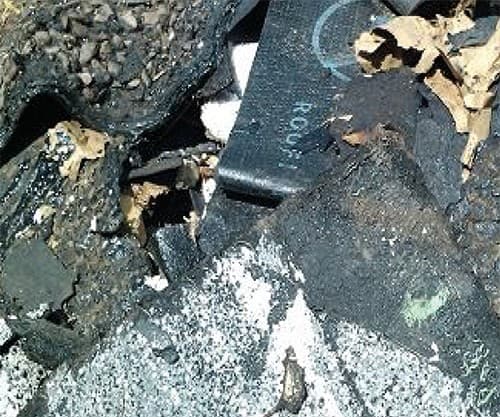
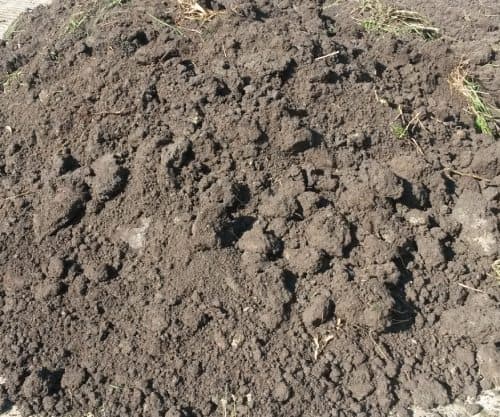
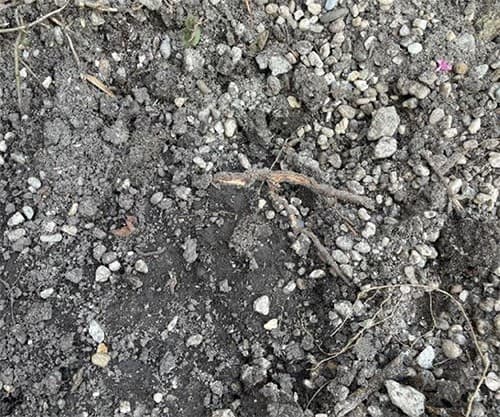
Waste types for wheelie bins
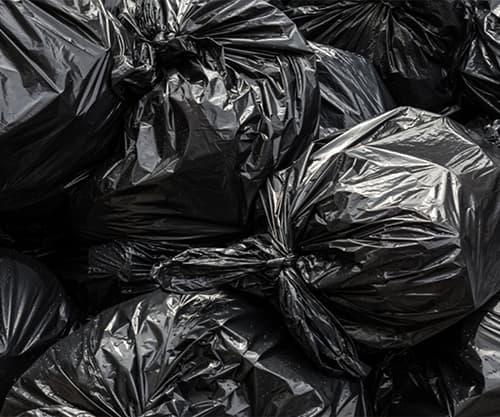
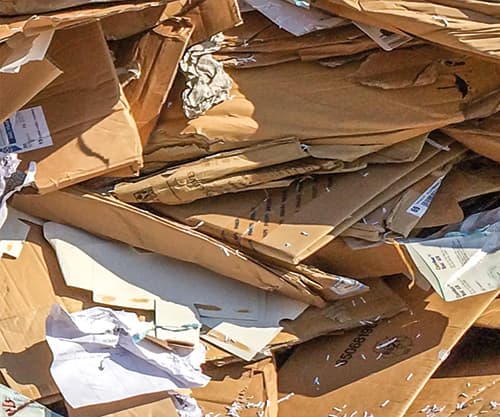

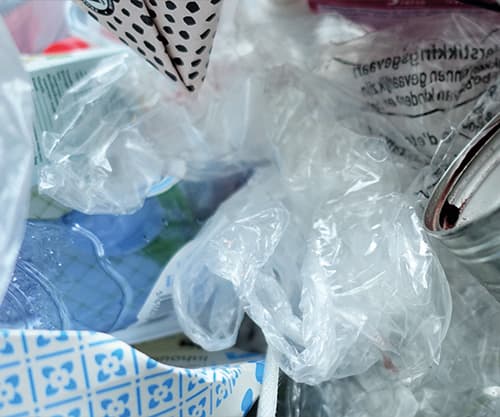
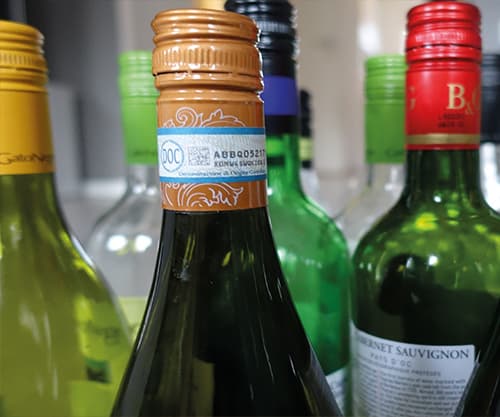
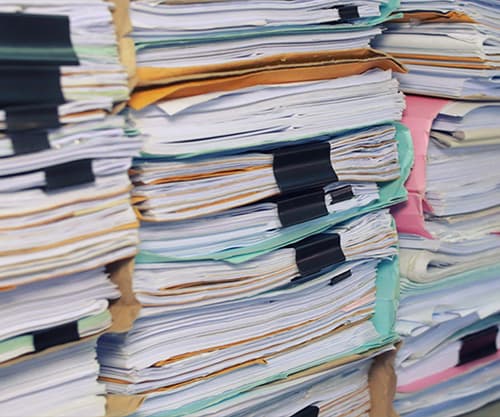
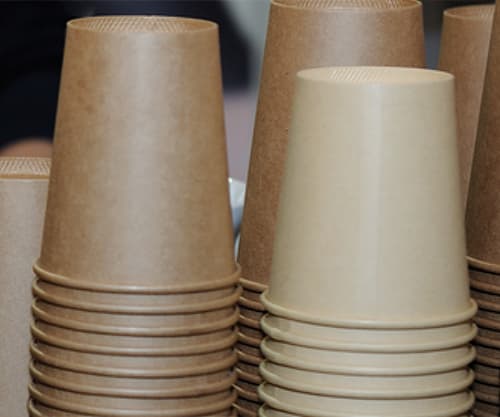

The importance of disposing of waste correctly
Separating waste is a crucial step in reducing the impact of waste on the environment. By separating different types of waste in the right way, you help make waste processing more sustainable. Every waste stream, from construction waste to green waste, has its own specific method of collection and processing. This makes it possible to recycle and reuse as many materials as possible, so fewer new raw materials are needed.
A range of containers is available for businesses and private customers to manage these waste streams efficiently. Think of containers for building projects, garden maintenance or dealing with commercial waste. Separating these types of waste properly doesn't just save money, it also reduces the amount of waste going to landfill. Separating waste also makes sure harmful materials are processed safely.
Choose the right container for your waste stream and make a positive impact on the environment.
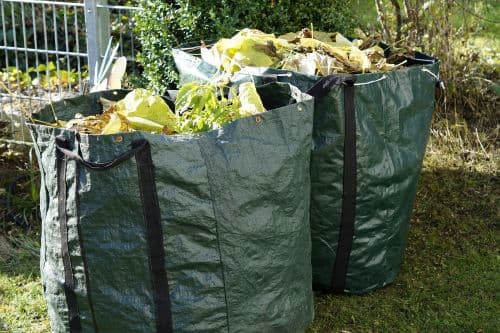
For more information on sustainable waste management and recycling, visit Milieu Centraal. It offers detailed information on separating and recycling waste.
FAQs about waste types
Can different waste types go in the same container?
That depends on the type of container and the waste types involved. A lot can go into a container for construction waste or residual waste, but not everything. With specific containers, such as those for rubble or glass, other waste will result in an additional charge. So check carefully under each waste type what is and isn't allowed.
Can anything go in a construction waste skip?
Well, almost — there's no container for every waste type. A construction waste skip takes a lot, but electrical items and tyres, for example, are excluded. Always check exactly which waste is allowed.
What is the difference between green waste and garden waste?
A green waste skip is for prunings such as branches, leaves and plant remains. A garden waste skip is for all waste from a garden: garden tiles, fence panels or soil can go in too.
Do I need to separate my commercial waste?
If you can separate it, you are required to dispose of it separately. If you can fill a whole container with a single waste type, you must do so.
Is separating waste more expensive than putting everything in one container?
Not necessarily. Paper and cardboard actually cost less than residual waste, and organic waste can also work out cheaper.