- 9,1/104,5 out of 5 stars. See our reviews on Kiyoh (opens in a new window)
- Ordered in no time
- Fast delivery
- Sorted quickly
How is green waste processed?
4 juni 2021 · Ruud Bats
Plants, branches, shrubs, prunings: all of this counts as green waste. It's an easy waste type to recycle, because it gets composted.
To compost green waste, it's important that it's collected separately and that only materials that are actually allowed go into it.
Green waste is not garden waste
Green waste and garden waste are often confused, but garden waste usually isn't allowed in the green waste skip. Garden waste covers all waste from the garden, such as greenery, but also paving, fencing, soil and old turf. This waste can't be composted and therefore has to go in a mixed garden waste skip instead.
What counts as green waste
Green waste is waste from a garden or public green space. You can use the green waste skip to dispose of prunings and plants. Attached soil is allowed, but only in limited amounts. The following can go in a green waste skip: branches, prunings, vegetable garden waste, shrubs, grass, reeds, bamboo, leaves and soil still attached to plants.
Not allowed: turf, tree stumps, Japanese knotweed, wood,, paper/cardboard, plastic, contaminated soil, organic waste and hazardous waste. Trees and thick branches may not go into the skip whole. They are allowed if they've been chopped into small pieces or shredded with a wood chipper, as this means they break down at the same rate as the rest of the green waste.
Recycling green waste
Green waste isn't sorted again after collection. Everything from the skip is tipped straight onto the compost heap. That's why it's important that it doesn't contain any waste that can't biodegrade. The waste is then composted.
What is composting?
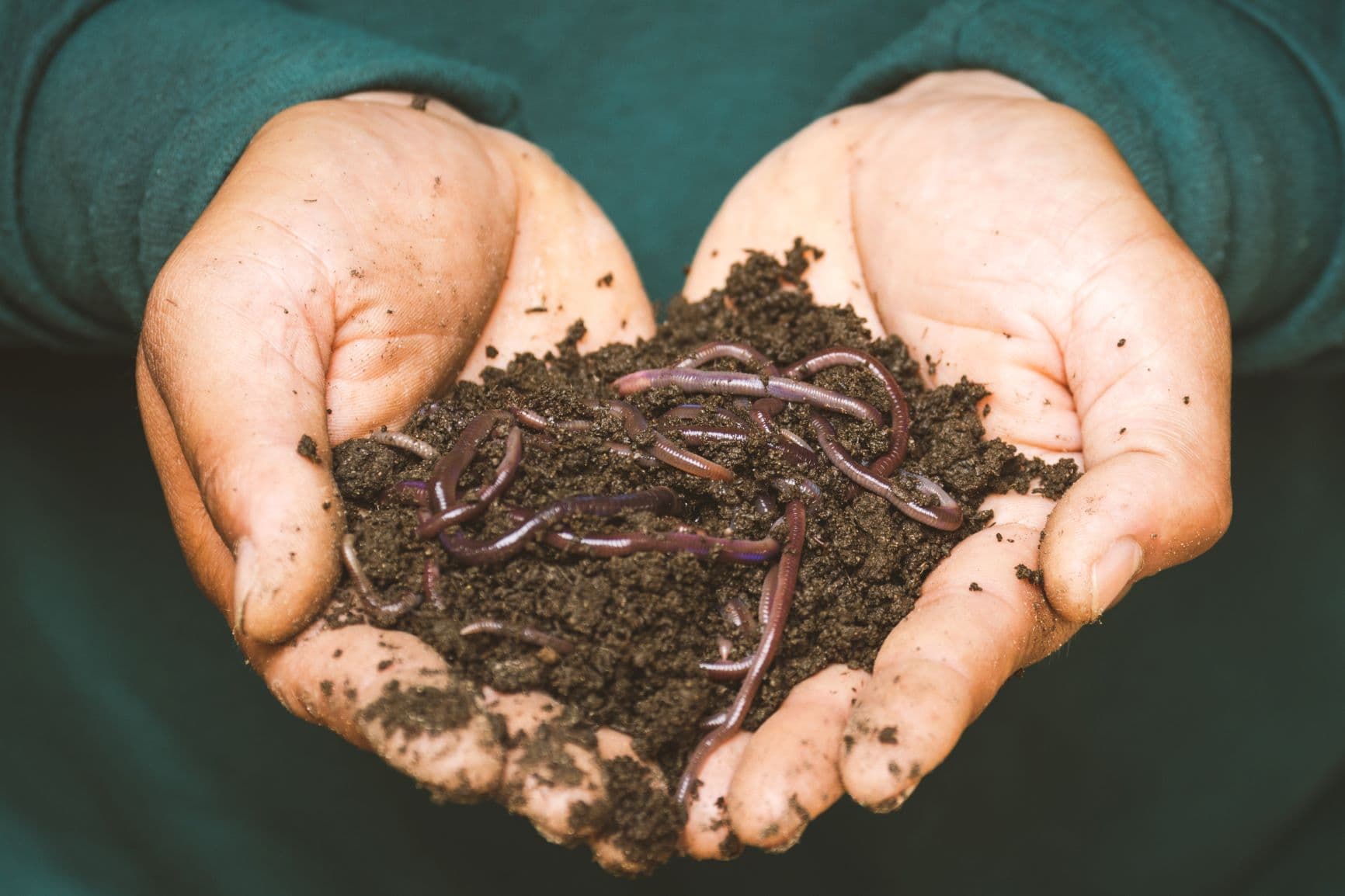
Composting is a process of decomposition. With the right temperature (up to 70°C), moisture and oxygen, an organic process gets under way. First, the plant material is broken down by fungi and bacteria. This uses oxygen and releases carbon dioxide, water and heat. Worms and other small creatures help with the breakdown. What's left in the end is compost: a fertile, nutrient-rich substance used as a soil improver in horticulture and arable farming.
The composting process doesn't work if too much sand or (infertile) soil is mixed in with the green waste. That's why loose soil isn't allowed in the green waste skip. Small amounts can be mixed in, though.
More posts
9 August 2021 · Garden
How to place a skip on your own property without damage
A skip on your own property? It's handy, but it can cause damage. Find out the best way to prevent it.
Continue reading