- 9,1/104,5 out of 5 stars. See our reviews on Kiyoh (opens in a new window)
- Ordered in no time
- Fast delivery
- Sorted quickly
How to place a skip on your own property without damage
9 augustus 2021 · Ruud Bats
Placing a waste skip on your own property always carries a risk. Usually it all goes fine, but what if something gets damaged? A skip on your own property is at your own risk, so it's good to know how to keep the chance of damage as small as possible. A skip, especially a full one, is very heavy. One small knock against something can be enough.
4 tips to prevent damage
Accidents happen in an instant, as they say, but sometimes an accident hangs from chains or runs on tyres. A skip on your own property can be very handy, and with these tips you reduce the risk of damage to your paving and other property.
Damage from collisions
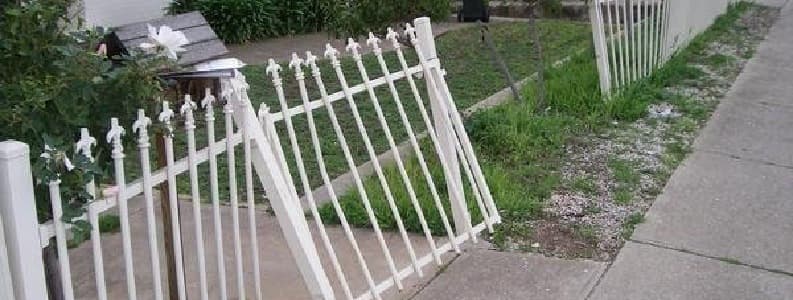
An empty 6 m³ rubble skip can easily weigh more than 500 kilos and is set down or lifted with chains. If it swings into something, it can easily cause damage. Especially if it's a skip for garden tiles and it's completely full, which makes it much heavier still.
Tips to avoid collisions:
- Make sure there's enough space so the container can move freely
- Don't have the container placed too close to your house, shed or any other structure
- Place the container on a surface that can take some weight, e.g. thick paving or sand
- Put sheets of wood or metal in front of any objects that are close by to protect them
Damage caused by the lorry
The container is delivered by a large skip loader lorry. It's heavy and bulky and can also cause damage. So make sure there's enough room for the lorry to load and unload, and also to turn so it can position or collect the container properly.
Tips to prevent damage caused by the lorry
- Make sure there's enough space
- Cut back low-hanging branches
- Remove any loose objects nearby
- Only let the lorry drive on firm ground
- Mark posts or fences that the lorry passes closely with brightly coloured tape, or put something in front of them
If the container is very heavy when it's collected, the lorry may need to use stabilisers (a kind of support leg) to lift it. These come out at the back of the lorry. Keep this in mind if you know heavy materials are going into the container. A lot of weight rests on these legs, so they also need to stand on a solid surface.
Damage to your neighbours' property
You don't want any damage to your own property, but you don't want any at your neighbours' either. You might have 8 cm thick tiles laid on a well-compacted, level sand base, but your neighbours might have thin 4 or 5 cm tiles that scratch easily, laid on loose soil in front of their door. Or that overhanging branch could get caught on a corner of the container and pull the whole tree down. If your neighbours don't know a container is being delivered, they may just put something down that won't be seen. So always let them know in good time, talk through your plan and ask if there's anything you should bear in mind.
Tips to prevent damage to your neighbours' property
- Make sure there's enough space
- Let your neighbours know and ask if there's anything to bear in mind
- Ask your neighbours not to park cars where the lorry will pass closely
- Keep the space where the container will go clear
- Place the container well away from your neighbours
Don't put anything next to the container
Delivering and collecting a container can cause damage, but plenty can still happen while the container is in place. Say you park your car next to the container and you or a helper misjudges the weight of a load, so it lands next to the skip instead. If your car happens to be there, that could cause serious damage. Something can also fall out of the container if it hasn't been loaded properly, or be blown out by the wind. So keep the area around the container clear.
More posts
6 August 2021 · Garden
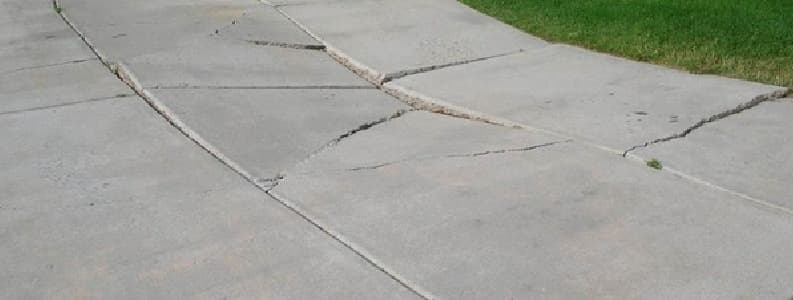
How to prevent damage to your paving
Want to avoid damage from a heavy container standing on your tiles? These tips show you how the container can stand on your paving without any problems.
Continue reading