- 9,1/104,5 out of 5 stars. See our reviews on Kiyoh (opens in a new window)
- Ordered in no time
- Fast delivery
- Sorted quickly
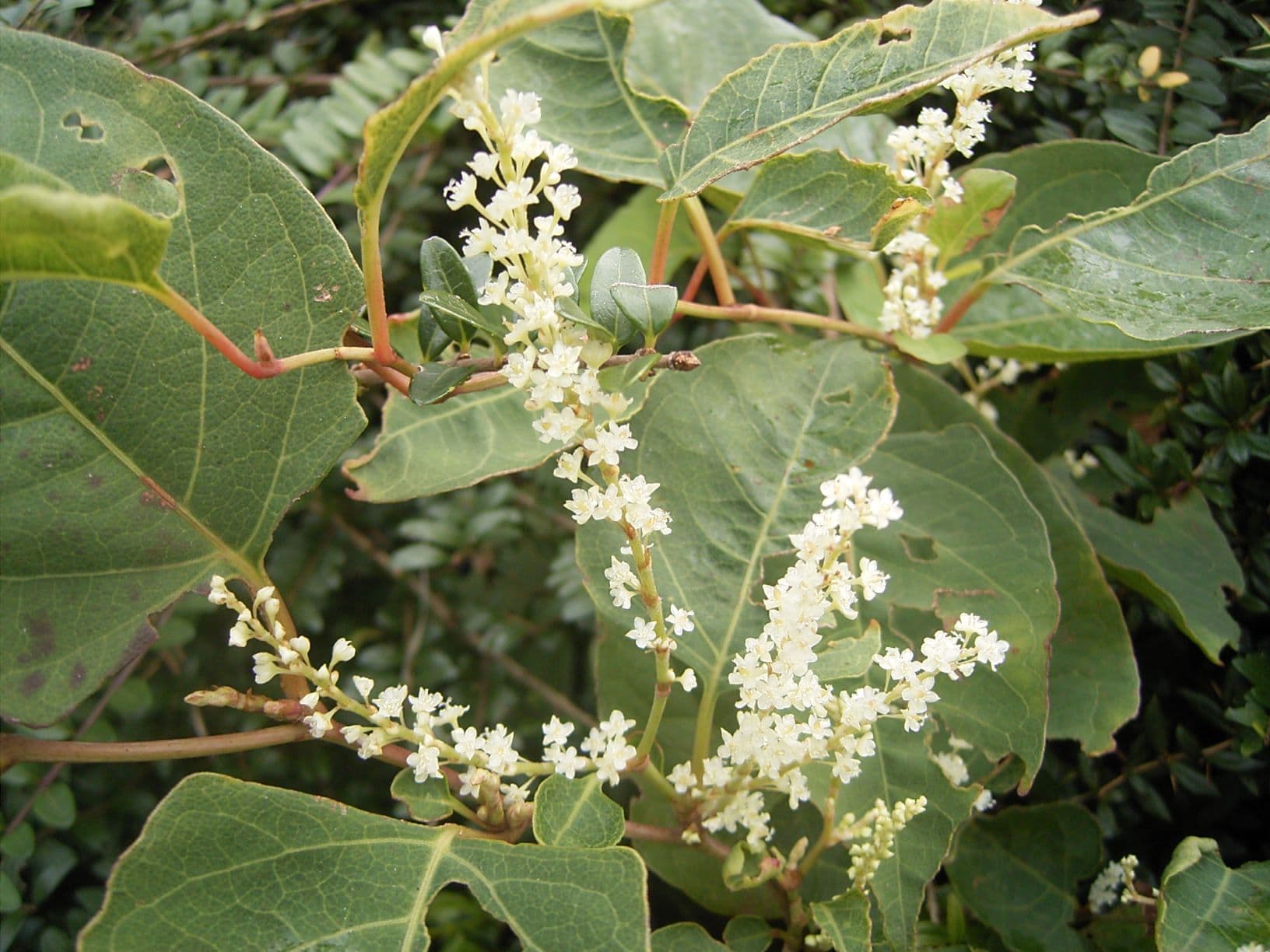
Watch out for Japanese knotweed!
27 augustus 2019 · Ruud Bats
Last week we found it in one of our skips, and yesterday it was all over the news: Japanese knotweed. A remarkable plant that is almost impossible to get rid of. If it ends up in green waste, it simply keeps growing and contaminates the whole skip. The result: a hefty additional charge and the spread of this weed.
What is Japanese knotweed?
Japanese knotweed is an exotic garden plant that originates from Japan, China, Taiwan and Korea. This bamboo-like plant can grow up to four metres tall, spreads by 10 to 15 per cent a year and crowds out other plants in the process. It has strong rhizomes that can damage foundations, pipes and roads. Not an ideal plant to have in your garden. Even so, Japanese knotweed can be found in many places in the Netherlands, it's sold in bouquets, and lots of people simply have it growing in their garden.
How do you end up with Japanese knotweed?
Despite its destructive nature, knotweed can still legally be sold in the Netherlands. Many florists sell it in bouquets or ‘as a lovely garden plant’, and until last year it was available at Intratuin. And yet in Amsterdam alone, around 8 million euros has been set aside to tackle this invasive plant. Even so, the sale of Japanese knotweed is not banned. Most retailers are unaware of how harmful the plant is and sell it under a different name, such as ‘Bamboo canes’.
Why isn't Japanese knotweed allowed in the green waste skip?
Japanese knotweed has to be disposed of by incineration in a special way. Not all waste processors can do this. If a processor can, it is treated as residual waste. Still, knotweed regularly ends up in organic waste, green waste, garden waste or soil skips. When this happens, the plant simply carries on growing in the skip among the other waste – even if the canes have been cut into small pieces. Even scraps or spent clumps grow vigorously during composting, so the knotweed keeps on spreading. Processing waste contaminated with Japanese knotweed is labour-intensive and very expensive. Have you found Japanese knotweed during gardening or building work and would you like to have it taken away? Get in contact us.
Tips for tackling Japanese knotweed
- Never dispose of the plant as green waste; instead, collect it in separate sealable bags or containers.
- When disposing of large quantities, contact a specialist.
- Cut back the stems several times per growing season to weaken the plant.
- Check the soil for Japanese knotweed before starting any work.
More posts
9 August 2021 · Garden
How to place a skip on your own property without damage
A skip on your own property? It's handy, but it can cause damage. Find out the best way to prevent it.
Continue reading