- 9,1/104,5 out of 5 stars. See our reviews on Kiyoh (opens in a new window)
- Ordered in no time
- Fast delivery
- Sorted quickly

The most common mistakes when separating (construction) waste + download
11 juni 2019 · Ruud Bats
Which waste skip should my garden waste go in? Can sand go in with construction waste? And where do I put my rubble? A (renovation) project produces lots of different waste streams, but they can't all just go into one container.
Separating waste is important, but it isn't always easy. Did you know, for example, that soil isn't allowed in a construction and demolition waste skip? And that turf doesn't belong with green waste? No? You're not the only one! These are the five most common mistakes people make when separating construction waste.
Why it's important to separate (construction) waste
Separating (construction) waste is important, but it does take a bit of planning. We understand it's much simpler to throw everything into a construction and demolition waste skip, but separating your waste has some important advantages.
Good for the environment
If waste streams are separated straight away on site (at the source), they stay at their purest. This is called a ‘mono stream’, which means it consists of just one waste type. Waste that is separated in this way is easy to reuse and/or recycle. Recycling is very important because it reduces the need for new raw materials. This is good for the environment, as natural raw materials are slowly running out. Good waste separation and recycling therefore help to preserve these important resources. It also means less waste has to go to landfill or be incinerated.
Saves money
If your renovation produces a lot of construction waste, separating it can save you money. A skip for mixed construction waste, for example, is one of the more expensive waste skips. If you have a lot of rubble, or only rubble, it's a good idea to order a separate skip for it. A rubble skip is much cheaper than a construction and demolition waste skip.
These are the five most common mistakes when separating (construction) waste.
#1 Contaminating waste streams: “a little bit can't hurt”
If you separate your construction waste, it's important to stick to the rules so the waste stream doesn't become ‘contaminated’. This means no waste should end up in the skip that doesn't belong there. A common mistake is thinking “oh, a little bit can't hurt”. If waste ends up in a skip where it doesn't belong, such as wood among the rubble or stones in a soil skip, the processor has to separate the waste again. The costs for this are passed on to the customer, and they can add up quickly. What a waste! Waste can also become unusable if it's heavily contaminated. Once cardboard gets wet, it can no longer be recycled, and the entire contents of the skip will be rejected if it turns out to contain asbestos.
#2 Not distinguishing between rubble and construction and demolition waste
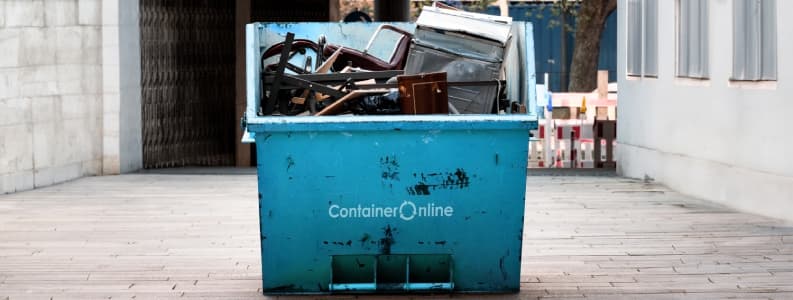
Rubble and construction and demolition waste are very different. Not only in price, but also in what waste is allowed. Even so, we're often asked whether a rubble skip will do for some construction and demolition work, because a rubble skip is a lot cheaper. Unfortunately, it won't. A rubble skip may only contain clean rubble and stone. If any other waste is added, it automatically becomes a construction and demolition waste skip and you'll receive an additional charge. The waste allowed in a construction and demolition waste skip is more varied. For example, wood and bulky waste can also go in.
#3 Not making the right estimate in advance
It's a good idea to work out beforehand which types of waste your renovation will produce. That way you won't find yourself with the wrong skip halfway through the job, or one that's too big or too small. If the skip is only half full, you still pay for a full skip. In that case, you'd have been better off ordering a size smaller! In addition, when you order a skip, you choose one specific waste stream. As mentioned earlier, no other waste streams may be thrown in. Not even a little. Making an estimate in advance helps you avoid these kinds of problems during the job.
#4 Not ordering a separate skip for soil
People often think soil can simply be thrown in with the rest of the waste, for example with garden waste, green waste or construction and demolition waste. This isn't the case. With green waste, around 25% of the skip's total weight may be soil, and with garden waste it's only 10%. Soil isn't allowed at all in other waste streams. So if you have a lot of soil, you always need to order a separate skip for it. Before delivery, a postcode check is carried out to see whether the soil is clean.
#5 Not separating glass waste correctly
There are as many as 100 different types of glass, and half of them don't belong in the bottle bank. Glass from lamps, windows, mirrors or table tops has a different melting point from bottle glass, so it can't just go in the bottle bank. Only bottle glass, jars and packaging glass are allowed there. A bulky waste skip can be used for window glass, among other things.
Download the handy overview here!
At ContainerOnline, we're happy to help you choose the right skip. So download the overview ‘Which waste goes in which skip?’. For each waste type, it explains what can and can't go in the skip, making it easy to make the right choice. Prefer advice straight from one of our team? Then just contact us.
Take the Container Check!
Find out which skip you need for your job in 3 steps.
More posts
10 March 2026 · Waste types
Why hiring a waste skip is good for the environment
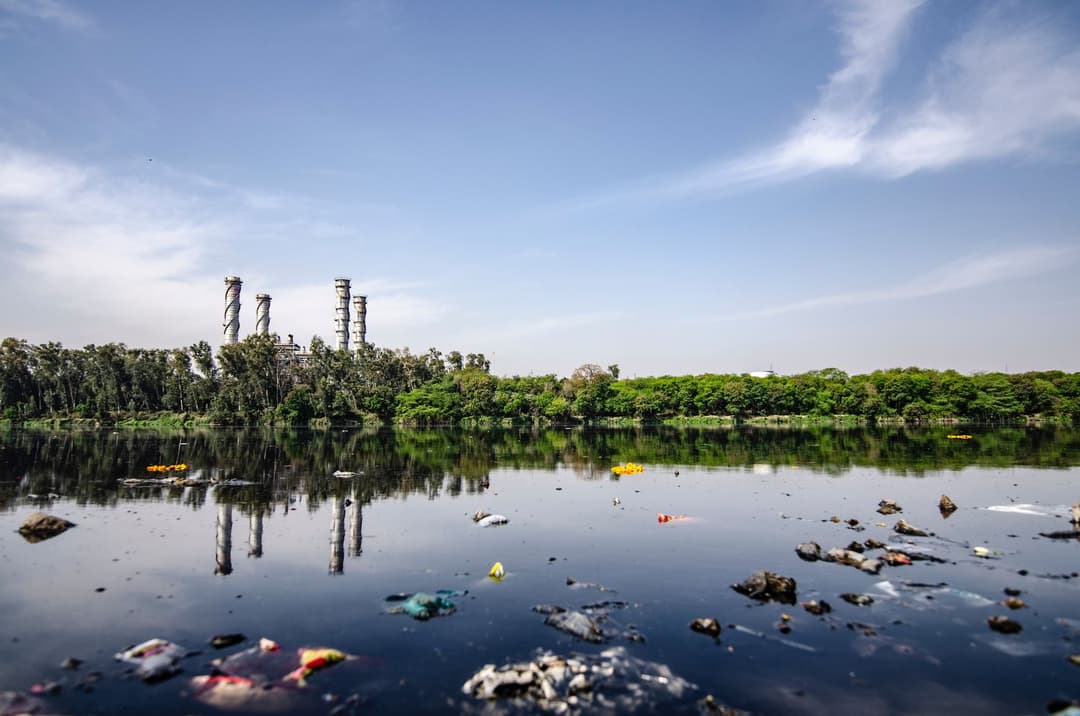
Skip hire. Waste has a bad reputation, but when you handle it responsibly, it's actually good for society. So go ahead and renovate!
Continue reading