- 9,1/104,5 out of 5 stars. See our reviews on Kiyoh (opens in a new window)
- Ordered in no time
- Fast delivery
- Sorted quickly
Sustainable: separate waste on the building site
2 juli 2021 · Ruud Bats
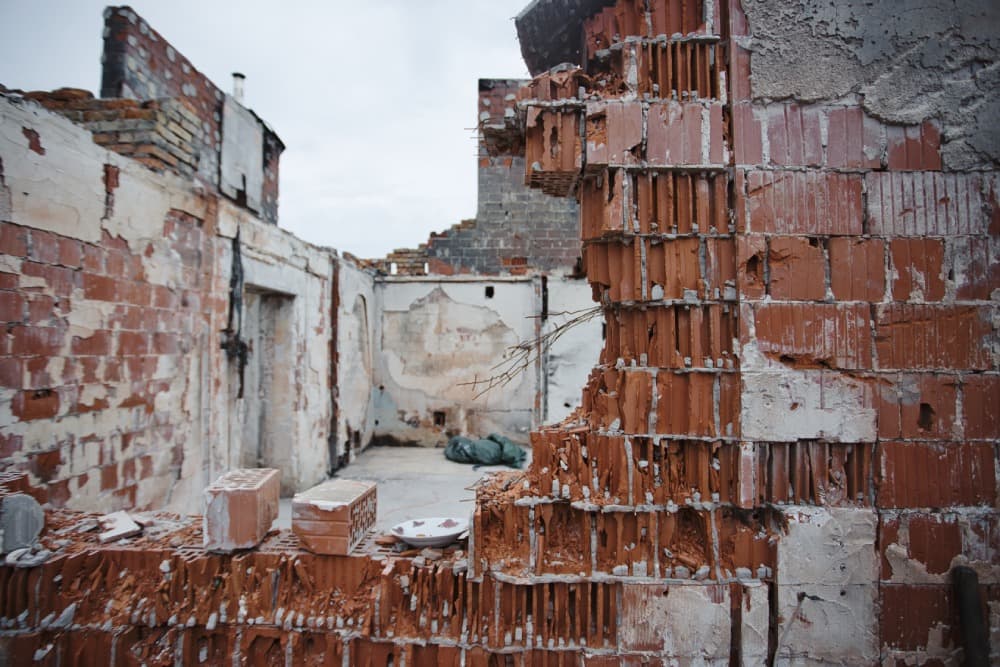
Every year, the Netherlands produces around 22.5 million tonnes of construction and demolition waste. This waste mainly comes from large building and renovation projects. It can be recycled well if it is collected separately. Want to go green and make an easy contribution to a better environment? Then separate your waste straight away on the building site.
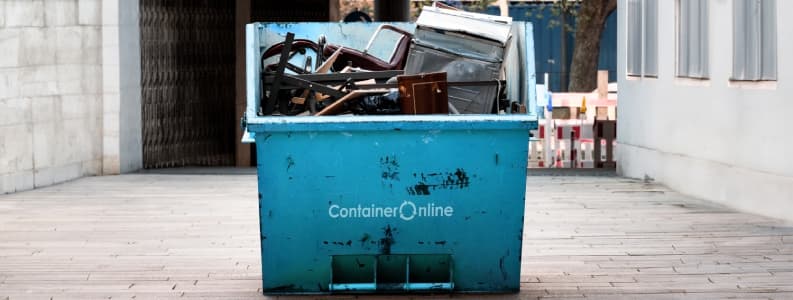
A building site is a treasure trove of raw materials: rubble, concrete, metal, wood and plaster. If you throw all of this into the construction and demolition waste skip, it is sorted by the waste collector. That's why these containers are a lot more expensive. Separating waste on the building site saves a great deal of money and is better for the environment too. After all, anything the collector can't separate ends up in the incinerator. A real waste, especially as separating waste on site is usually very easy. There are containers for: rubble, wood, soil, roofing waste and sometimes green waste.
If you have large amounts of waste, you can separate it even further into:
- Unsortable construction and demolition waste
- Impregnated wood
- Roof gravel
- Plaster
- Flat glass
- Plastics
- Metal
For special waste types, please get in touch with us us.
Why should construction waste be separated?
Separating construction waste on site has lots of advantages:
Environmental benefits There's a good reason we mention this one first. All construction waste can easily be recycled into new raw materials when it is collected separately. That makes the waste skip a valuable source of raw materials. Recycling means fewer primary raw materials need to be extracted, which reduces CO2 emissions and the depletion of valuable resources.
Cost savings As a private customer, it can come as a bit of a shock to see what you pay for a waste skip. For businesses, however, separating waste actually saves money. For example, if you have a lot of rubble on the building site, it is cheaper to hire a rubble skip for this waste than a mixed construction waste skip. When a waste type is easy to recycle, it can often be disposed of at a lower rate.
Circular business Circular construction is a hot topic. Circular construction makes efficient use of materials that can be recycled. In circular construction, all materials used can be reused after demolition. As a business, showing that you are committed to sustainable practices is good for your image. Separating waste properly, and so encouraging recycling, earns you points.
How do you start separating waste on the building site?
Step 1: Make a plan
Which jobs do you expect to tackle and when, and what waste will they produce? By working out in advance which waste streams will come up, it becomes easier to put the right containers in place. It's also important to estimate the volume you expect for each waste stream. You can separate waste from 1m3 of a single waste type. Big Bags are ideal for this. In addition, we offer skip hire in 3m3, 6m3, 10m3, 12 m3, 14m3, 20 m3 and 40 m3 sizes.
Step 2: Provide the facilities
Good waste separation stands or falls with the facilities available. If there is only one container for all the construction waste, separating it is simply impossible. Also make sure the containers are in the right place and that it is clearly marked what goes where. That way, you and your colleagues don't have to go looking.
You should also place the skips in strategic spots. For example, putting the wood skip in front of the construction and demolition skip stops people from simply throwing all the wood into the mixed waste skip out of convenience.
Step 3: Communicate clearly
Share your reasons for separating waste with the rest of the team. This quickly creates a shared goal. Show what's expected and where the skips are, so that separating waste doesn't fail through lack of knowledge.
How is construction waste recycled?
Around 98% of construction and demolition waste is put to good use. After collection, the waste is sorted again and all recyclable waste streams, such as wood, paper, metal and plastics, are sorted separately. After this, only stony material is left: rubble. This rubble is crushed into small pieces of around 50 cm, known as granulate. The granulate is sifted in a drum screen, which filters out all unusable materials, and a magnet removes any remaining metal. A wind sifter then blows away the leftover bits of paper and plastic. The resulting raw material is used in construction projects as foundation material or in concrete production. Rubble granulate is also used in road building and for raising dykes.
More posts
10 March 2026 · Waste types
Why hiring a waste skip is good for the environment
Skip hire. Waste has a bad reputation, but when you handle it responsibly, it's actually good for society. So go ahead and renovate!
Continue reading