- 9,1/104,5 out of 5 stars. See our reviews on Kiyoh (opens in a new window)
- Ordered in no time
- Fast delivery
- Sorted quickly
Hiring a 10m3 rubble skip: is that possible?
12 mei 2023 · Ruud Bats
Re-paving your garden or tackling a demolition project at home can be a satisfying experience. But once the work is done, where do you put all that rubble? Say you have about 10m3 of rubble: can you simply order a 10m3 rubble skip, or does it work differently? A 10 m³ rubble skip doesn't exist, but luckily there are alternatives.
A dive into the world of rubble
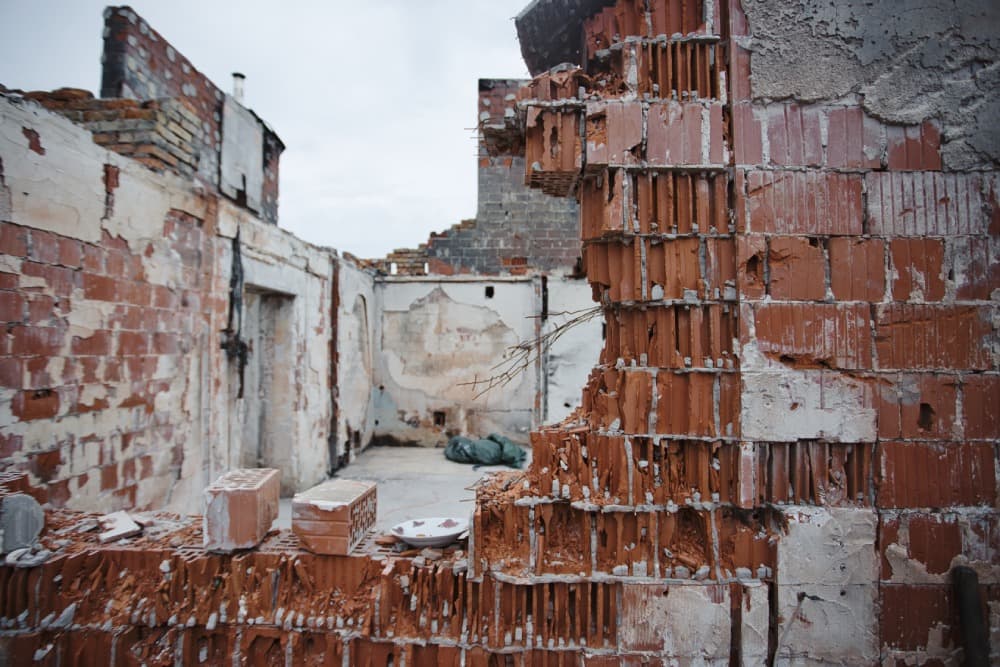
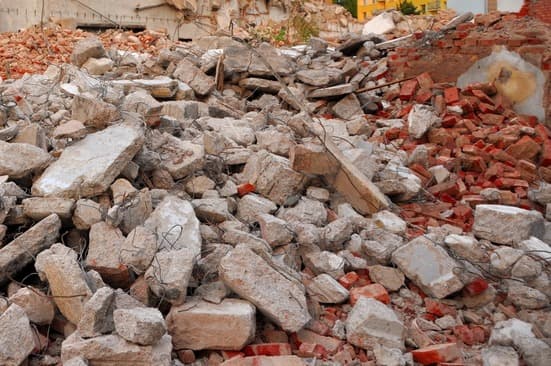
Before we look more closely at the container options, it's essential to understand what we mean by rubble. Rubble, especially when we talk about 'clean rubble', generally refers to heavy, stony materials. This can range from bricks and concrete to ceramics and roof tiles. The rubble must be free of other types of waste to count as 'clean'. That's because this type of rubble is a valuable raw material for recycling, which helps create a more sustainable environment.
Don't be too worried about the word 'clean' in 'clean rubble', though. It's not as if your paving bricks will be refused just because there's some sand on them. It's really about chemicals and harmful substances. You do, however, need to keep other waste out of your rubble skip. If there's other waste mixed in, it's classed as construction waste skip and you'll pay the price for that. That price is a lot higher, because the waste has to be sorted and taken to different places. Even if there's just one plastic bucket in the rubble skip, you'll pay the full whack. That's because the whole container has to be sorted to check whether there's any other waste in it. In practice, the waste processor will sometimes clearly see that it's just a bucket the neighbour may have thrown in, take it out and that's it, but it's better to be careful, because not every waste processor is like that.
So where is that 10m3 rubble skip?
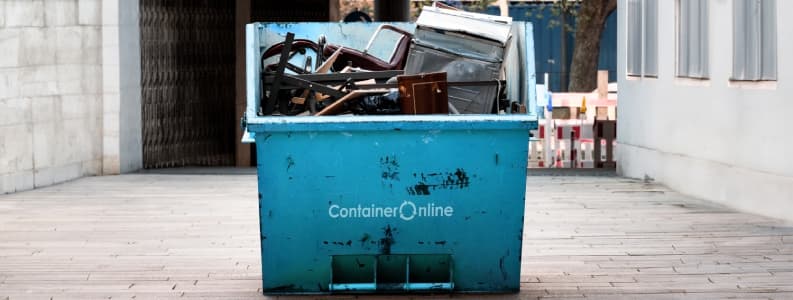
Now that you know the difference between ordinary waste and rubble, you might be wondering why there is no 10m3 rubble skip available. The 3 and 6 cubic metre rubble skips are what's known as chain-lift skips. These are the typical open metal skips you often see parked on the street outside a renovation. However, the skip loader that lifts these containers can only handle a limited weight. A 10m3 container filled with rubble would exceed this limit, making safe transport impossible.
Options for larger amounts of rubble
If you have a large amount of rubble, you can choose two 6m3 skips or a single 15m3 rubble skip. The first option is handy if you're short on space, as you can position them strategically. The 15m3 option is handled by a different type of lorry: a hook-lift lorry. It lifts the container slightly and pulls it onto the lorry. That's why large 40 and 20 cubic metre containers.
always have small wheels underneath. Unlike the chain-lift skip, the hook-lift container uses a large hook and a hydraulic system. This allows the lorry to handle heavier containers full of rubble. However, this method needs more space to deliver and collect the container. So before you decide, it's wise to check how much space you have available first.
A practical example
To give you a better idea of how much 10m3 really is: imagine you want to re-lay a 50 square metre garden path or patio. If your old paving stones are around 10 centimetres thick, you already have 5m3 of rubble. And that's if you stack the stones perfectly next to each other. In reality, you'll simply throw the stones into the rubble skip and you'll quickly end up with 7/8 cubic metres.
This example shows how quickly rubble can pile up and how important it is to have the right container for the job. It can be a real relief to throw everything straight into the skip, knowing it will then be taken away easily and sustainably, without multiple trips to the tip.
The circular future of rubble
So what actually happens to the rubble after it's been collected? The answer is as simple as it is encouraging: recycling. Garden tiles and other rubble are often used as raw material for new building materials. So your old garden path could become part of someone's new dream home.
The tiles and stones you throw away get a second life, contributing to a circular economy and a sustainable future for our planet. A skip hire therefore doesn't just help make your own space look better, it also contributes to a greener, more sustainable world.
More posts

10 March 2026 · Waste types
Why hiring a waste skip is good for the environment
Skip hire. Waste has a bad reputation, but when you handle it responsibly, it's actually good for society. So go ahead and renovate!
Continue reading