- 9,1/104,5 out of 5 stars. See our reviews on Kiyoh (opens in a new window)
- Ordered in no time
- Fast delivery
- Sorted quickly
Time to build or renovate! 10 fun facts about your construction waste
29 april 2019 · Ruud Bats
Now that the building and renovation season has started, it's time to roll up our sleeves again. Are you converting the loft, renovating the shed or getting the garden ready for summer? Then you're bound to end up with construction waste.
What is construction waste?
A lot of the waste from a renovation counts as construction waste, but not everything can simply be disposed of together.
What counts as construction waste?
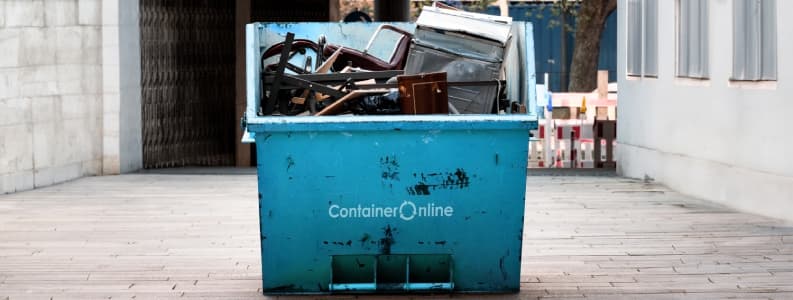
Bulky waste, household items (such as individual pieces of furniture), rubble, sand-lime brick, concrete, stones, plaster, wood, laminate, metals, paper and cardboard, and plastics all count as construction waste. All of this can therefore go in a construction and demolition waste skip. Please note: although metal and plastic, for example, are allowed, this only applies to small quantities.
What doesn't count as construction waste? Materials containing asbestos, soil, sand and asphalt, batteries, small chemical waste, mattresses, oil, roofing waste, electrical appliances, and organic and household waste do not count as construction waste.
If you're redoing your garden, as well as construction waste you'll also be dealing with garden waste. There's a special garden waste skip available for this too. You can put branches, prunings, shrubs, grass, reeds, bamboo and leaves in it. If you have a lot of soil, it's best to hire a soil skip for it. A garden waste skip may contain no more than 25% soil, and soil isn't allowed in a construction waste skip at all.
For roofing waste it's also a good idea to order a separate skip, as this waste isn't allowed in a construction and demolition waste skip. Roofing felt, roofing gravel, bitumen roofing and attached insulation material are collected and recycled separately. Roofing waste skips are available in a capacity of 3m3, 6m3 and 10m3.
What happens to my construction waste?
Once the work is finished, you arrange for the container to be collected. What happens to the collected construction waste after that depends on the waste type. Construction waste is often sorted into different waste streams afterwards, and most of it is then recycled. Depending on its quality, wood is often used in chipboard or as cladding. Rubble is reused as a road foundation, and the green waste from the construction waste skip goes to a digester, where it's composted into sustainable fertiliser or biogas.
How much does a construction waste skip cost?
When you hire a construction waste skip, you pay an all-in price. This includes taxes, delivery and collection of the skip, and processing of the construction waste. Once delivered, the skip can stay in place for 6 weeks free of rental charges. The 3m3, 6m3 and 10m3 waste skips are the most popular.
10 fun facts about construction and demolition waste
1. In total, around 22.5 million tonnes of construction and demolition waste are produced every year.
2. 98% of construction and demolition waste is put to good use. The remaining 2% goes to landfill.
3. If more than half of your skip will be filled with rubble, it's best to order a clean rubble skip instead of a construction waste skip. It's cheaper!
4. If you have a skip placed on your own property, you don't need a permit. But if the skip will be in a public place, always check whether a permit is required.
5. When construction waste is sorted, a large magnet is used to pull the metal remnants out of the waste.
6. Air pressure and infrared are used to separate paper and wood from the rest of the waste.
7. A common problem with builder's skips in public places is that local residents start using them too. This can contaminate the waste stream and drive up the costs. In that case, choose a closed waste skip.
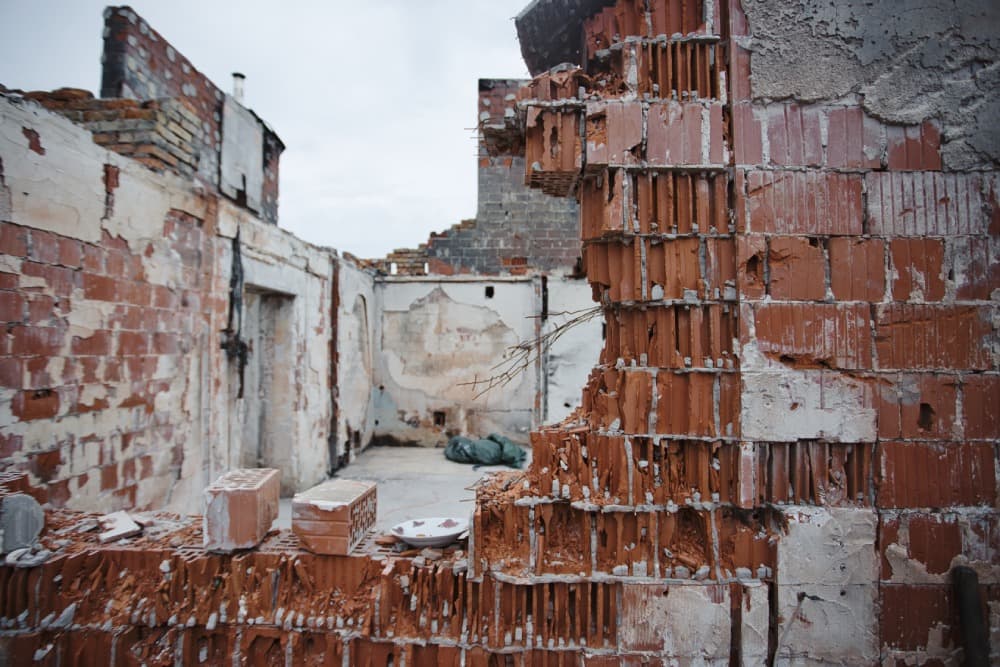
8. Circular construction is the future. This means that new building projects reuse old construction and demolition waste. In Rotterdam there is a house made from 15 tonnes of construction waste.
9. Hiring a builder's skip can often work out cheaper than taking your waste to the recycling centre. You often have to pay to dump the waste (if it's allowed at all) and you need to hire a trailer. And if you have a lot of waste, you'll often end up driving back and forth, which costs fuel as well as precious time. So the difference between taking your waste away yourself and hiring a builder's skip is often smaller than you think!
10. Your construction and demolition waste can earn you money! If you have a lot of scrap metal, it can be worth taking it to a scrap metal dealer. In some cases, they'll pay you for it.
More posts
10 March 2026 · Waste types
Why hiring a waste skip is good for the environment
Skip hire. Waste has a bad reputation, but when you handle it responsibly, it's actually good for society. So go ahead and renovate!
Continue reading