- 9,1/104,5 out of 5 stars. See our reviews on Kiyoh (opens in a new window)
- Ordered in no time
- Fast delivery
- Sorted quickly
Why soil is currently difficult to dispose of
10 september 2019 · Ruud Bats
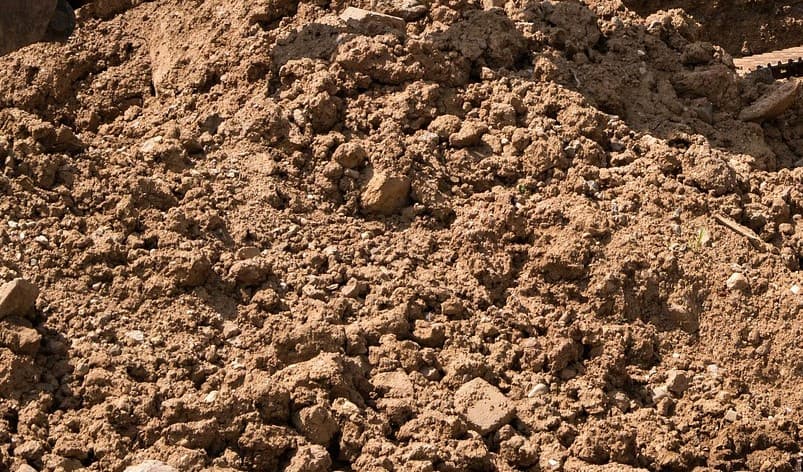
Having soil taken away? Then read this carefully. The law has recently changed, which means soil is no longer simply accepted.
On 8 July 2019, the ‘Temporary action framework for the reuse of PFAS-containing soil and dredged material’ came into force. This means that in addition to the standard clean soil declaration, the soil must now also be tested for PFAS compounds (PFAS, PFOA and GenX). This has a major impact on current soil processing and is making it increasingly difficult to dispose of soil skips.
What is PFAS?
PFAS are substances such as PFOS, PFOA and GenX that do not occur naturally in the environment. They are used in products including clothing, cosmetics, pans, paint and firefighting foam. They are fire-resistant and virtually indestructible. Because they are not biodegradable, they end up in the environment, particularly in soil and water, which researchers say may have harmful effects. Exactly what these effects are is still unclear.
Why can (almost) no soil be disposed of any more?
Under the new rules, anyone moving soil since 8 July must first test it for the presence of these PFAS substances. As a result, processing companies are currently no longer accepting soil, dredged material or foundation materials that may contain these substances. The only way to have your soil taken away is to have an analysis carried out yourself.
How do I get a PFAS declaration?
The soil analysis can be carried out in a laboratory. At the moment, however, there is a serious shortage of laboratories that can carry out this specific test. As a result, many construction projects are being delayed.
Lots of soil to dispose of? Get in contact touch with our customer service team and we'll advise you on the PFAS declaration.
More posts
10 March 2026 · Waste types
Why hiring a waste skip is good for the environment
Skip hire. Waste has a bad reputation, but when you handle it responsibly, it's actually good for society. So go ahead and renovate!
Continue reading