- 9,1/104,5 out of 5 stars. See our reviews on Kiyoh (opens in a new window)
- Ordered in no time
- Fast delivery
- Sorted quickly
What happens to my waste?
20 augustus 2019 · Ruud Bats
Why can't all the waste just go into the skip together? It's a question many DIYers ask when they see all the different types of waste a DIY project produces.
Why separate waste?
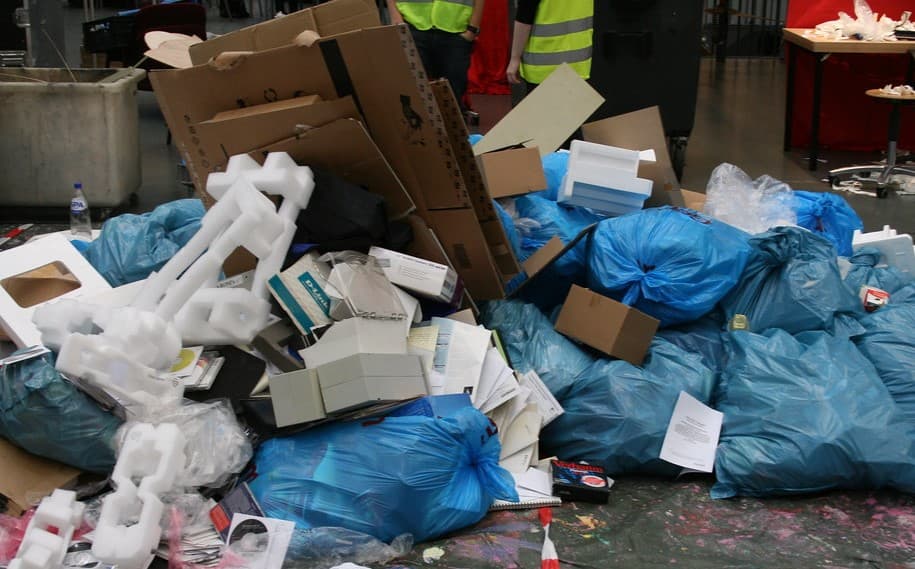
Waste is made up of valuable raw materials, each with its own processing method. One waste type can be reused straight away, while another has to go through a long recycling process. When all waste is thrown in together, the different waste types can contaminate each other, making recycling impossible. A waste of all those useful raw materials!
What happens to my separated waste?
To make separating waste easy, there is a waste skip available for every waste type. From construction and demolition waste to bulky waste. But once you've been busy separating, you're probably curious about what happens to your waste next. That's why we've put together an overview of all recyclable waste types and how they are processed.
Construction and demolition waste
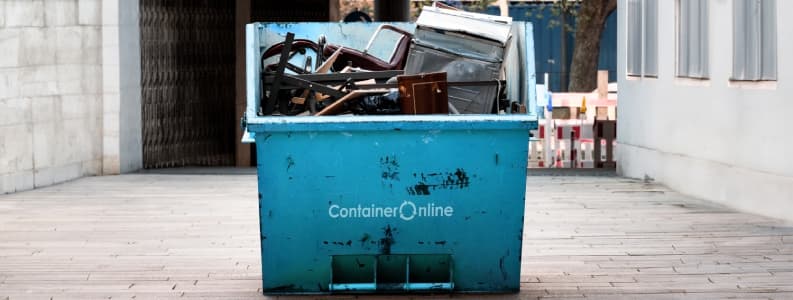
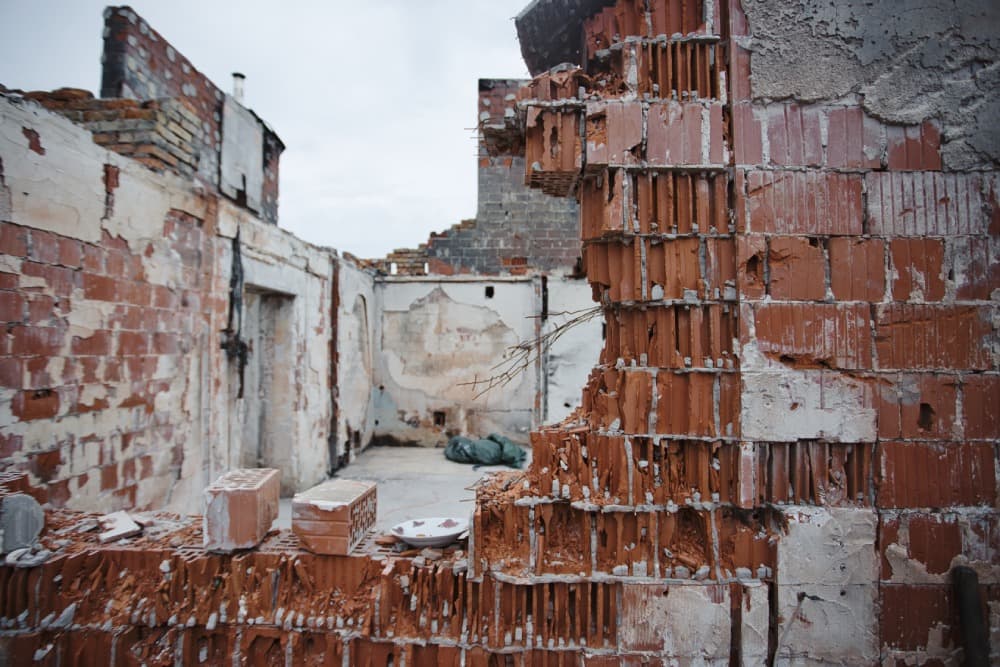
Construction and demolition waste is collected in a mixed waste skip. Different types of waste can be collected together in it, such as rubble, bricks, wood and metal. This waste is collected in waste skips of 3m3, 6m3, 10m3, 20m3 or even 40m3.
After collection, the construction waste is sorted by the processing company. A large magnet removes any metal from the waste, and air pressure and infrared are used to separate paper and wood from the rest. The reusable materials left after the recycling process are used again as raw materials. Only a small proportion (2%) of construction and demolition waste cannot be used. This waste goes to (controlled) landfill.
Rubble waste
Rubble waste mainly consists of stone, such as patio or bathroom tiles, masonry rubble and concrete. It is treated as a single waste type and isn't sorted further afterwards. This keeps processing costs down, which makes a rubble skip cheaper than a mixed construction and demolition waste skip. Do make sure you really only collect clean rubble, though. Otherwise you may receive an additional charge.
After collection, rubble waste is crushed into granulate. This granulate is then used in construction projects, including road building.
Bulky waste
A bulky waste skip can take all the waste you would normally put out on the street. From old furniture, broken items and carpet to construction and demolition waste
After collection, bulky waste is sorted into reusable and non-reusable items. Materials that can be reused or recycled are taken to a recycling company, and the rest is incinerated at an energy-from-waste plant with energy recovery.
Green waste
Green waste is all green garden waste and prunings. In addition, up to around 25% of the skip's contents may consist of soil.
After collection, green waste is composted on a compost heap. The compost can then be used as a sustainable fertiliser. Green waste isn't sorted any further, so it's important that it doesn't contain any materials that can't break down naturally.
Garden waste
Unlike green waste, garden waste is all the waste produced when redesigning a garden. Green waste, paving, turf and a little soil can all go into the skip together. After collection, the waste is sorted and recycled by waste type. For example, the green waste is composted, the paving is processed as rubble and the soil is reused directly. However, the most environmentally friendly way to dispose of garden waste is to separate it at source. This prevents the waste types from contaminating each other, which is bad for the recycling process. The garden waste skip is a solution if you don't have enough separated waste to fill several skips.
Wood waste
Wood waste comes in three different types: untreated wood (A-grade wood), wood treated with paint, varnish or stain (B-grade wood) and impregnated wood (C-grade wood). Standard waste skips only accept B-grade wood. Only got A- or C-grade wood? Get in contact us.
If B-grade wood is in good condition, it can be recycled into new wood products. First, contaminants such as screws and nails are removed. The wood is then chipped, and the chips are pressed together under high pressure to make chipboard. If the B-grade wood is in poor condition, it is used as fuel for power stations.
In the Netherlands, 61 per cent of all wood waste is recycled.
Soil
Only small amounts of soil are allowed in a green waste or garden waste skip. If you have a lot of soil, it's best to order a soil skip. This can take clean soil (soil from an area declared clean) and turf.
Contaminated soil has to go through a long recycling process, but clean soil can usually be reused straight away. It is often used in road foundations or noise barriers.
Got contaminated soil? Get in contact us.
Roofing waste
Roofing waste is the waste produced when demolishing or replacing a roof. It includes roofing felt, tar-containing material and wood with tar or bitumen stuck to it (no asbestos). A roofing waste skip may also contain up to 10% wood and other demolition waste.
After collection, roofing waste is sorted and all remaining materials are turned into new raw materials as far as possible. Bitumen, for example, is made into bitumen granulate, which is often used in the production of asphalt.
Another waste type?
These are the most common waste types that can be collected separately. You can hire a separate container for each of these waste streams through our webshop. Would you like tailored advice? Or do you have a waste type that isn't listed here? We're happy to help! Get in contact with our customer service team and we'll find a suitable solution.
Commercial waste? Take a look at Wastenet collection.
More posts
10 March 2026 · Waste types
Why hiring a waste skip is good for the environment
Skip hire. Waste has a bad reputation, but when you handle it responsibly, it's actually good for society. So go ahead and renovate!
Continue reading