- 9,1/104,5 out of 5 stars. See our reviews on Kiyoh (opens in a new window)
- Ordered in no time
- Fast delivery
- Sorted quickly
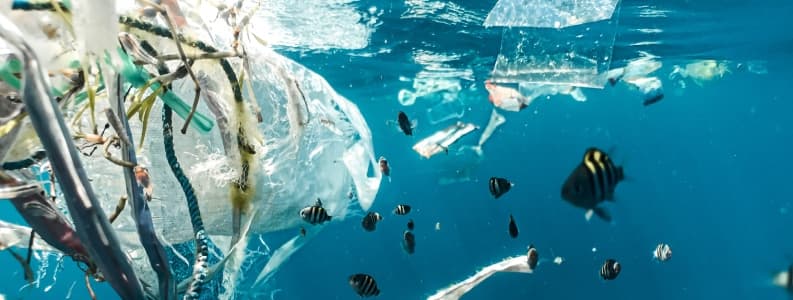
Step by step towards a greener world with waste
5 september 2023 · Ruud Bats
Every year, it's the talk of the town in the first week of September. The term ‘Sustainable Tuesday’ (Duurzame Dinsdag) pops up in news articles, on social media and in offices. But what exactly does this day mean, and why is it so important? And more importantly: how can you do your bit when it comes to waste?
What is Sustainable Tuesday?
Sustainable Tuesday takes place every year on the first Tuesday of September. On this day, sustainable ideas and initiatives are gathered and presented to political and civil society organisations. It's a day that puts innovative sustainability solutions firmly in the spotlight.
Why handling waste sustainably matters
Waste processing plays a crucial role in the drive towards a more sustainable world. Every choice we make, from separating our household or commercial waste to recycling building materials, is a choice for the environment. What we choose is up to us, but how it turns out makes all the difference to the environment. So here are some tips on how to handle your waste more sustainably.
1 – Reuse and recycle
In a world where sustainability is becoming ever more important, reusing materials plays a crucial role. Before you decide to throw something away, take a moment to consider whether it could be used in another way. Old bricks that may no longer serve their original purpose in a building project can be given a second life. Use them, for example, to build a characterful garden wall, or to create unique garden paths and ornaments. This approach not only saves raw materials, but also saves money and often leads to original and creative design solutions.
2 – Separate at source
Construction waste can be a goldmine for recycling if it is managed properly. Many building materials can be recycled and reused, but this only works efficiently if you already separate it on the building site or at your workplace. Stone materials, or rubble, are crushed and reused for new building projects. Metals such as steel and copper are valuable raw materials that can be recycled endlessly without any loss of quality. And wood is turned into new wood products or used for biomass energy. Separating these materials at the source makes the recycling process much more efficient and effective.
3 – Consider using a construction skip
On larger building projects, waste builds up quickly. Separating it can take a lot of time and space, especially if you also have to make several trips to a landfill site. In that case, why not consider hiring a construction skip. These skips are designed specifically for waste such as construction and demolition waste. You have 1 skip that everything can go into. The waste processor sorts all the waste and processes each waste stream. This leads to higher recycling rates, which in turn helps make building practices more sustainable.
1 – Set up a recycling programme
Sustainability plays an ever larger role in today's business world. One of the first steps you can take as a company is to set up an effective recycling programme. Invest in clearly labelled bins for different types of waste, such as residual waste, paper, plastic (PD), glass and organic waste (swill). Placing these bins in strategic spots around the company makes it easier for employees to separate their waste. You can also organise information sessions or training to show employees why recycling matters and how best to separate their waste.
3 – Cut down on disposable items
Disposable products used every day in a business setting can really add up. Think of all the disposable cups used during coffee breaks. Switching to reusable coffee mugs cuts down on waste and also saves money in the long run. Encourage employees to bring their own mugs, cutlery and water bottles. It makes the workplace more sustainable and gives it a more personal feel too.
4 – Donate unwanted items
Every company has times when old furniture, appliances or technology get replaced. Instead of throwing these items away straight away, think about giving them a second life. Donating them to local schools, non-profit organisations, start-ups or charity shops can make a world of difference to the people receiving them. It also shows that your company is socially engaged and takes responsibility for its belongings.
5 – Go digital
In the digital age, there are countless ways to cut down on paper waste. Consider digitising documents and using cloud storage. Printing less saves paper, and it also saves ink and storage space. If you really do need to print, encourage employees to print double-sided. That way you use half as much paper and do your bit for a greener planet with very little effort.
Step by step
Sustainable Tuesday is more than just a day. It is a movement, a mindset and a call to action. By making conscious choices about how we deal with our waste, we can build a more sustainable future together. It doesn't have to happen all at once: small steps forward each time already make a big difference. What will you do this Sustainable Tuesday to make a difference?
More posts
29 June 2026 · Renovating
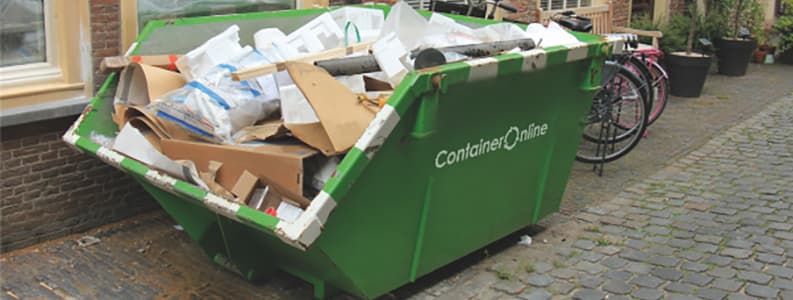
How long a waste skip can stay
Got a job that takes one day, or a few weeks or months? Here's how long a waste skip can stay. After this period, you pay a rental charge.
Continue reading
11 May 2026 · Renovating
6 tips to avoid extra costs
Skip hire comes at a fixed price, but extra costs can still crop up. That's a waste of money and easy to avoid. Read our 6 best tips.
Continue reading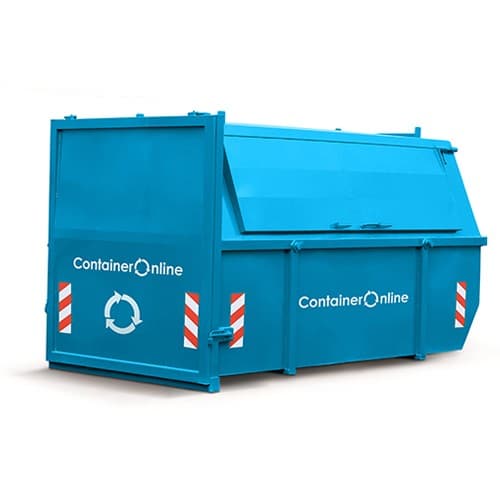
1 May 2026 · Containers
Rubble skip vs construction waste skip: what's the difference?
When renovating or demolishing, the question soon arises: should you choose a rubble skip or a construction waste skip?
Continue reading