- 9,1/104,5 out of 5 stars. See our reviews on Kiyoh (opens in a new window)
- Ordered in no time
- Fast delivery
- Sorted quickly
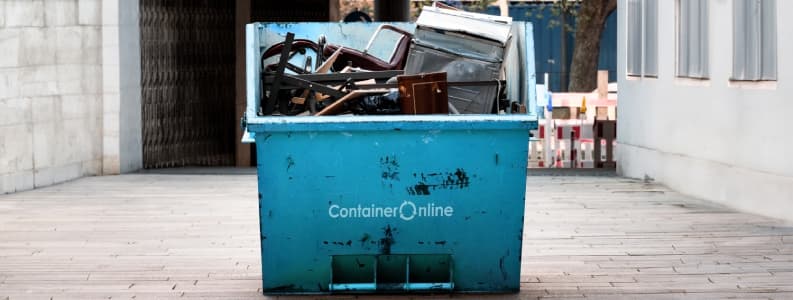
What can and can't go in a construction waste skip?
8 oktober 2024 · Marketing
A renovation or refurbishment often produces a lot of waste. Hiring a construction waste container is then a practical solution. But not all waste can simply be thrown into it. In this blog, we clearly explain what can and can't go in a skip, so you avoid fines and dispose of your waste efficiently.
What can go in the skip?
A skip is suitable for various types of waste produced during renovations or demolition work. Below is an overview of materials you can put in this skip without any problems.
Permitted Materials in a Construction Waste Skip
- Wood: All types of wood, such as planks, beams and window frames.
- Plastics: Think PVC pipes, insulation material and plastic packaging.
- Metals: Small amounts of metal such as aluminium, steel and iron.
- Stone and concrete: Remains of walls, bricks, tiles and concrete.
- Paper and cardboard: Packaging materials and old documents.
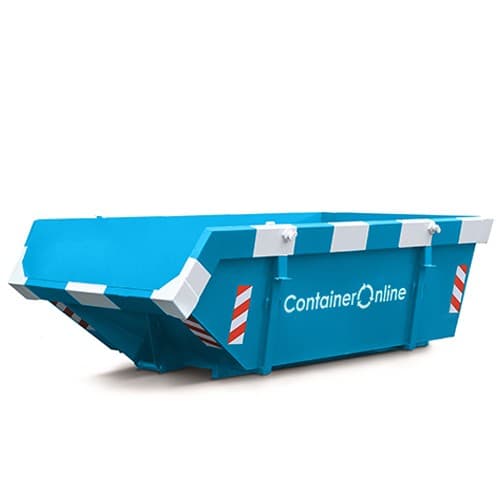
What can't go in the skip?
Not all waste can go in a skip. Some materials are harmful to the environment or require special processing.
Prohibited Materials in a Construction Waste Skip
- Asbestos: This is a hazardous material and must be removed by a specialist company.
- Chemical waste: Oil, paint tins, batteries and other hazardous substances.
- Bulky waste: Such as furniture, mattresses and electrical appliances. These fall under a different waste category.
- Organic waste: No garden waste or food scraps.
- Electronics: Old appliances such as televisions, fridges or washing machines.
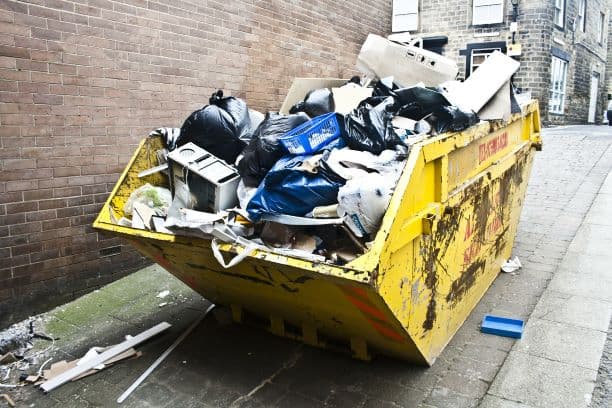
Consequences of Disposing of Construction Waste Incorrectly
Putting prohibited materials in a skip can lead to fines and extra costs. On top of that, the environment can be seriously harmed if chemical or hazardous waste isn't processed properly.
How do you avoid mistakes when disposing of construction waste?
To make sure you put the right waste in the skip, it's wise to check beforehand exactly which materials you want to get rid of. If in doubt, you can always contact the Container Online customer service team for advice.
Tips for using your construction waste skip efficiently
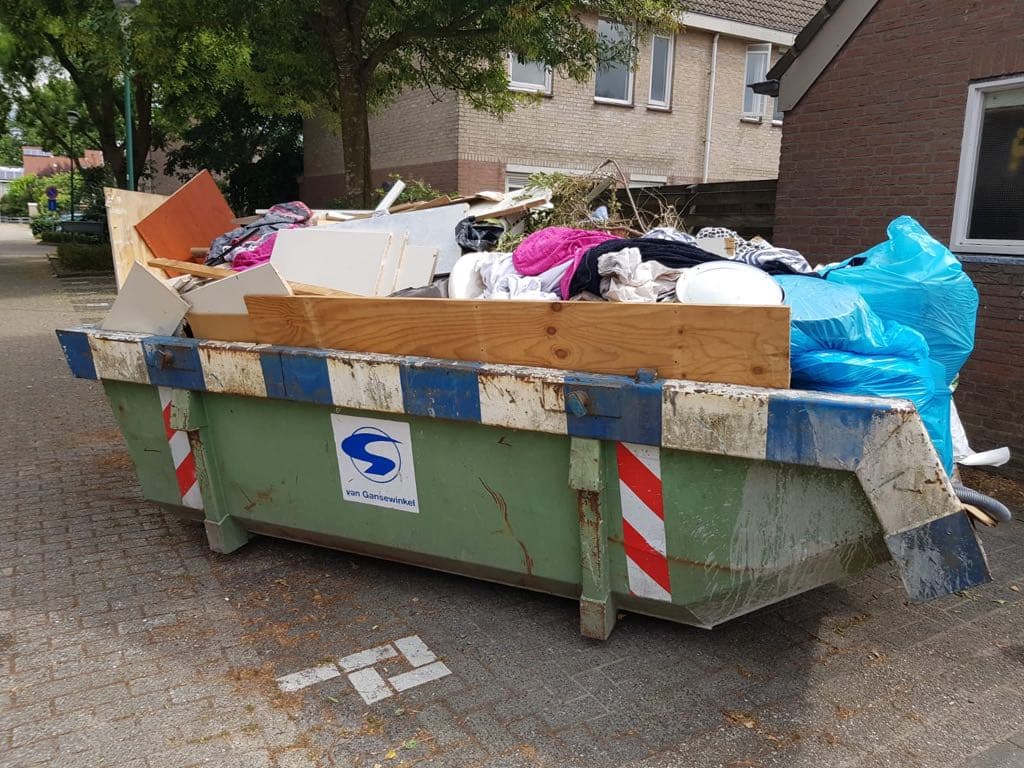
It's important to separate your construction waste properly. Well-separated waste is easier to recycle and contributes to more sustainable waste management. The Dutch government wants to raise the waste separation rate to 75%. By separating your waste properly, you're helping to improve recycling.
- Sort beforehand: Separate materials before you put them in the skip.
- Read the terms and conditions: Make sure you're aware of the waste collector's rules.
- Use multiple skips: If you have lots of different types of waste, it can be handy to hire several skips.
Construction waste skip hire at Container Online

At With Container Online, you can hire the right skip for your building project quickly and easily.
As we offer nationwide coverage with a range of skip sizes, you'll always have the best option for your waste, wherever you are.
With this handy guide, you now know exactly what can and can't go in a skip. Got any more questions, or want to hire a skip right away? Get in touch with With Container Online for advice and competitive prices!
Green waste
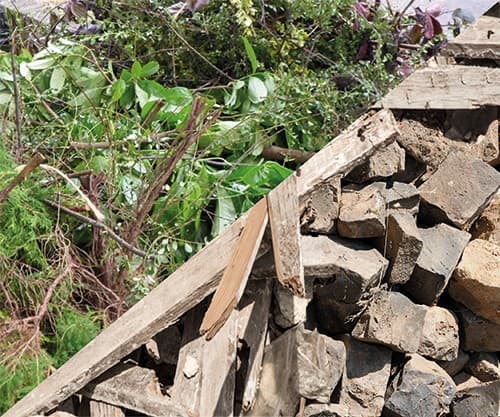
For organic waste from the garden, such as plants, cuttings and prunings.
Mixed garden waste
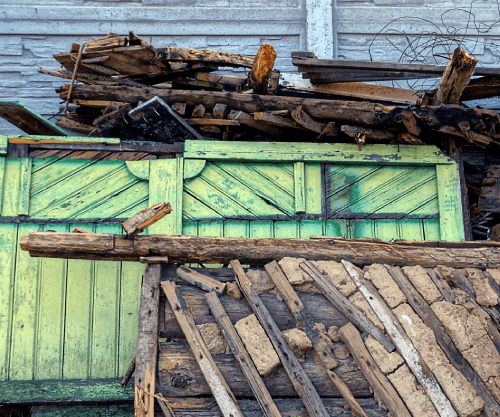
Green waste, paving, turf and a small amount of soil or sand.
Garden timber
For (treated) garden timber such as fence panels or railway sleepers.
Popular Containers
These are the most frequently ordered containers for garden waste:
More posts
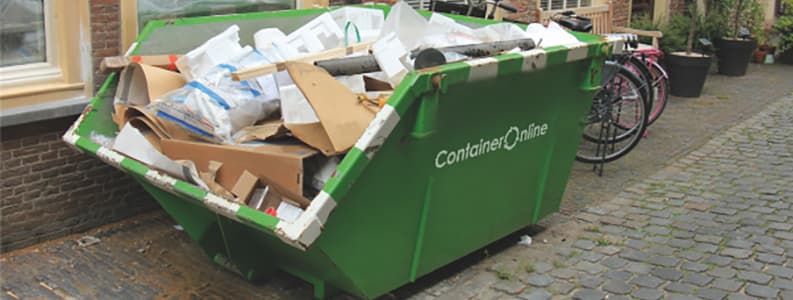
29 June 2026 · Renovating
How long a waste skip can stay
Got a job that takes one day, or a few weeks or months? Here's how long a waste skip can stay. After this period, you pay a rental charge.
Continue reading
11 May 2026 · Renovating
6 tips to avoid extra costs
Skip hire comes at a fixed price, but extra costs can still crop up. That's a waste of money and easy to avoid. Read our 6 best tips.
Continue reading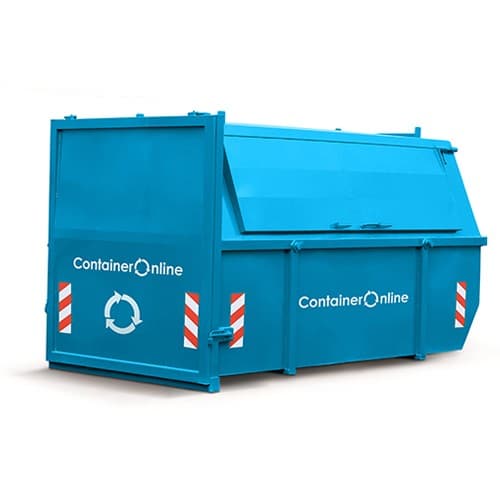
1 May 2026 · Containers
Rubble skip vs construction waste skip: what's the difference?
When renovating or demolishing, the question soon arises: should you choose a rubble skip or a construction waste skip?
Continue reading