- 9,1/104,5 out of 5 stars. See our reviews on Kiyoh (opens in a new window)
- Ordered in no time
- Fast delivery
- Sorted quickly
Cycling on mattresses and sleeping on artificial grass
1 oktober 2021 · Ruud Bats
An old, worn-out mattress is no good for your back any more, but it's still valuable as raw material for other products. Did you know, for example, that next year you might be cycling on your old mattress, or that your children could soon be playing safely on what's under your fitted sheet right now? A mattress is full of valuable raw materials, so make sure you hand it in.
PLEASE NOTE: mattresses are not allowed in the skip
If a mattress ends up in the bulky waste or residual waste, it would probably go into the incinerator. That would be a waste, of course. But besides being a waste, it's also dangerous. A mattress can easily start to smoulder and even catch fire. That's why mattresses are not allowed in a waste skip, and you could get a hefty extra charge if one goes in anyway.
How can a mattress catch fire?
A mattress is often made of foam rubber or polyester with oil-based material and lots of tiny air bubbles. If a mattress gets wet, it can start to rot, which releases heat. With plenty of oxygen, so much heat can build up that it starts to smoulder and even burn. Especially if the mattress is lying outside in the warm sun.
What can you do with your old mattress?
Right, so your old mattress can't go in the waste skip. Where should it go instead? Before you take your old mattress for recycling, check whether it's still in good condition. If it's still fine, you can offer it to a charity, such as a homeless shelter, Dorcas or the Salvation Army. Charity shops are often happy to take good mattresses too.
If the mattress is ready for recycling, take it to your local recycling centre. Some councils let you book a collection. Then you usually just need to put it out by the road and they'll come and pick it up. Some waste processors collect mattresses separately. You can always ask whether your local waste collector accepts mattresses.
TIP: many bed shops also take back old mattresses. If you're buying a new bed, ask whether you can hand in your old mattress at the shop.
How are mattresses recycled?
Collected mattresses are first taken apart. A blade cuts the mattress open and 3 types of raw material are separated:
- Textiles
- Foam
- Iron
Textiles
First, the cover is removed from the mattress. It's cleaned and then broken down into fibre again. This is spun into new yarn, which is used to make things like new fabric for mattresses. Fabric that isn't suitable for spinning into yarn is used to make felt. This felt often ends up in new mattresses as well. So you could indirectly be sleeping on (part of) the same mattress twice.
Foam
A mattress often contains foam, such as memory foam or cold-cured foam. This is very easy to recycle. A machine cuts the foam into strips, and then it goes into a shredder that grinds it into very small particles. These are then mixed with a binding agent, pressed and steamed, and made into rolls of insulation material. This material is often used as a soft layer under artificial grass in playgrounds. It's firm but flexible, so it cushions even the hardest falls when children tumble.
Iron
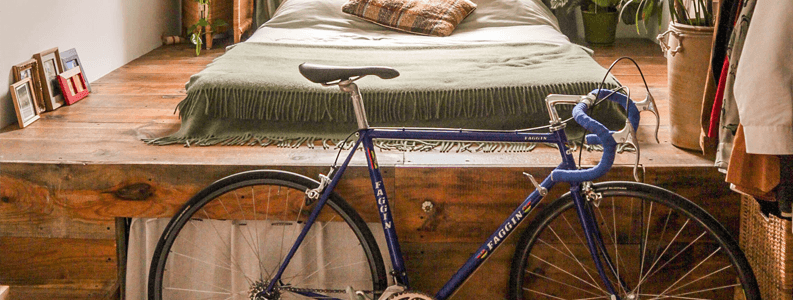
The metal springs can be reused straight away to make new iron bars for all sorts of products. So a pile of springs from old mattresses could be melted down into the frame of your new bike. Exercise and rest may never have been so closely linked.
Tip: use the plastic cover from your new mattress to transport your old one (and then the plastic goes in the plastic and drinks carton bin, of course).
More posts
3 November 2022 · Recycling
Decluttering: how do you do it?
Looking for decluttering tips? Find out how to tackle decluttering properly and soon enjoy a tidy home without unnecessary stuff.
Continue reading
29 June 2026 · Renovating
How long a waste skip can stay
Got a job that takes one day, or a few weeks or months? Here's how long a waste skip can stay. After this period, you pay a rental charge.
Continue reading
11 May 2026 · Renovating
6 tips to avoid extra costs
Skip hire comes at a fixed price, but extra costs can still crop up. That's a waste of money and easy to avoid. Read our 6 best tips.
Continue reading